
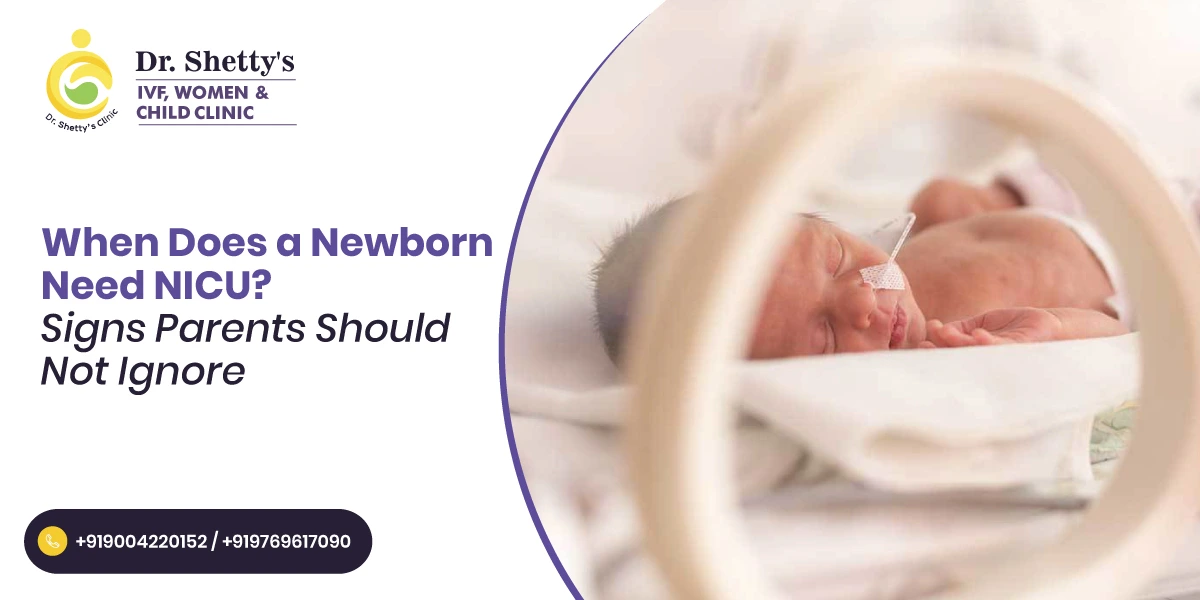
When Does a Newborn Need NICU? Signs Parents Should Not Ignore
Discover the reasons a newborn might need NICU care, from premature birth to breathing issues. Learn the signs and when to seek medical attention for your baby.
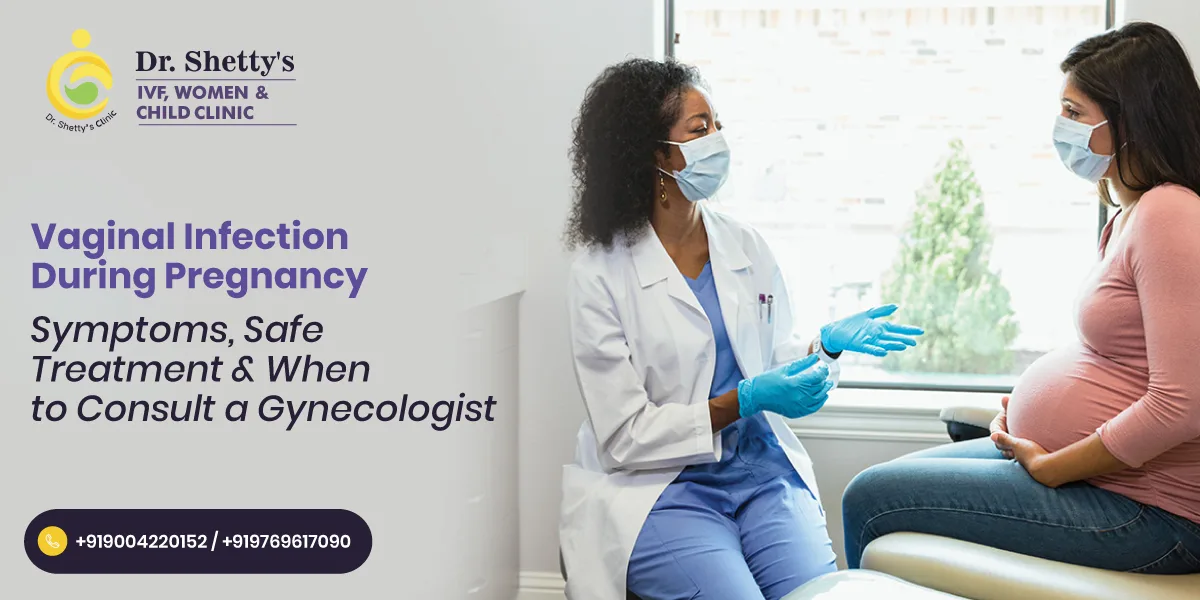
Vaginal Infection During Pregnancy: Symptoms, Safe Treatment & When to Consult a Gynecologist
Common vaginal infections during pregnancy include yeast infection, bacterial vaginosis, and trichomoniasis. Symptoms can range from itching to unusual discharge and odor. Treatment varies depending on the infection type and may include antibiotics, antifungal medication, or pain relief medication. Vaginal…

Chickenpox in Children: Home Treatment, Symptoms & When to See a Doctor
Chickenpox is a viral infection that causes a red rash, which turns into fluid-filled blisters and then scabs. Treatment includes preventing scratching, managing fever, and soothing the rash while their body heals. Chickenpox in Children: Symptoms, Treatment, and Signs You…
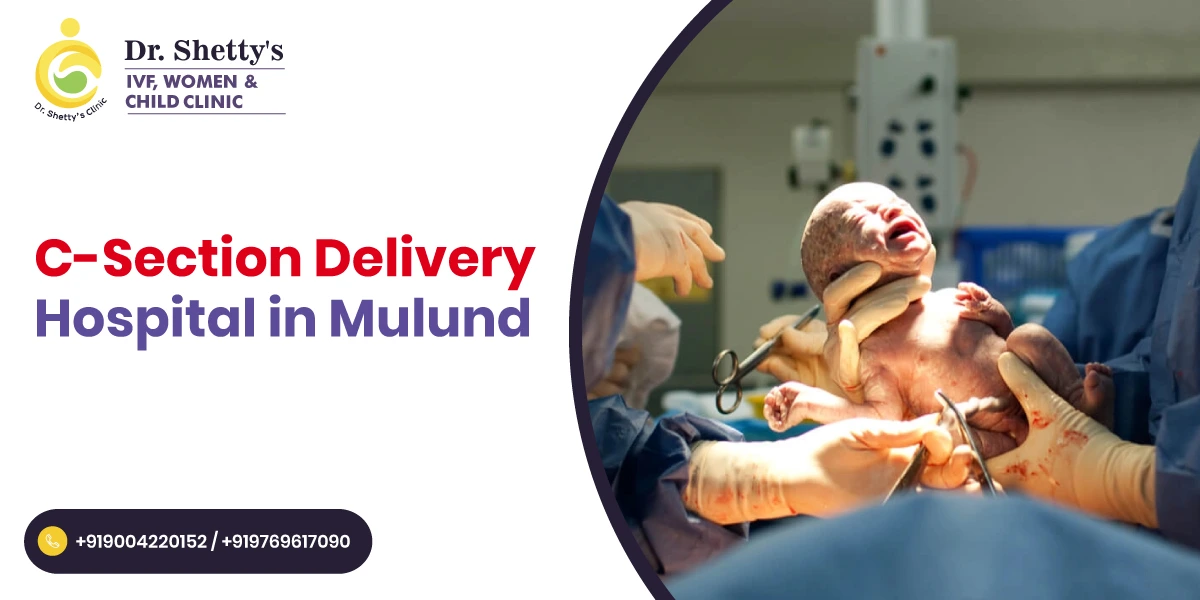
Cesarean Delivery: When a C-Section Is Recommended, Recovery Timeline, and How to Choose the Right Hospital
Cesarean or C-section delivery is recommended for women with pre-existing medical conditions or labor complications that make vaginal birth unsafe. Recovery can take 4-6 weeks, but you can resume light activities within 1-2 weeks. Choose a hospital with an experienced…
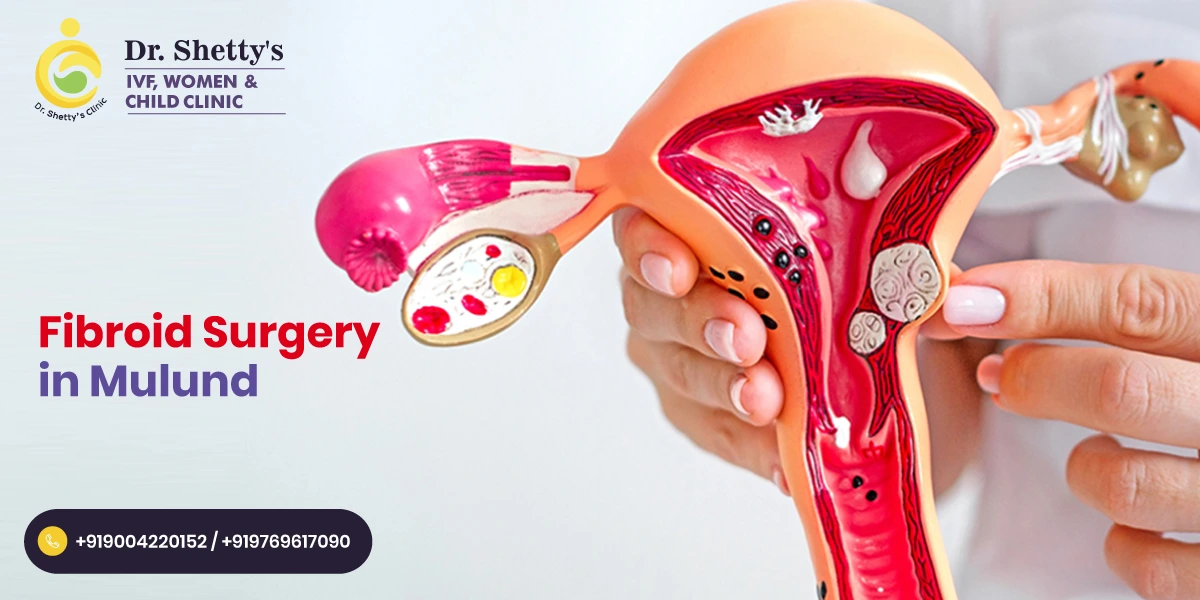
Fibroids in Young Women: When Surgery Is Needed and Treatment Options Available
Fibroids are benign uterine growths that can cause heavy and painful periods or may sometimes interfere with fertility. Myomectomy removes these fibroids while preserving the healthy tissues, making pregnancy possible. Fibroids in Young Women: When Surgery Is Needed and Treatment…
4 Causes of Female Infertility
Have you been having unprotected sexual intercourse for more than 12 months, but haven’t conceived yet? Difficulty getting pregnant is linked to female infertility, and it’s more common than you are told. Women who struggle to get pregnant see an…
10 Importance of Immunization
One of the greatest interventions in modern medicine is immunization. Here are the top 10 reasons why every pediatrician in Mulund recommends immunization for all. Think of vaccines as protective shields that prepare your body to fight critical diseases. They…
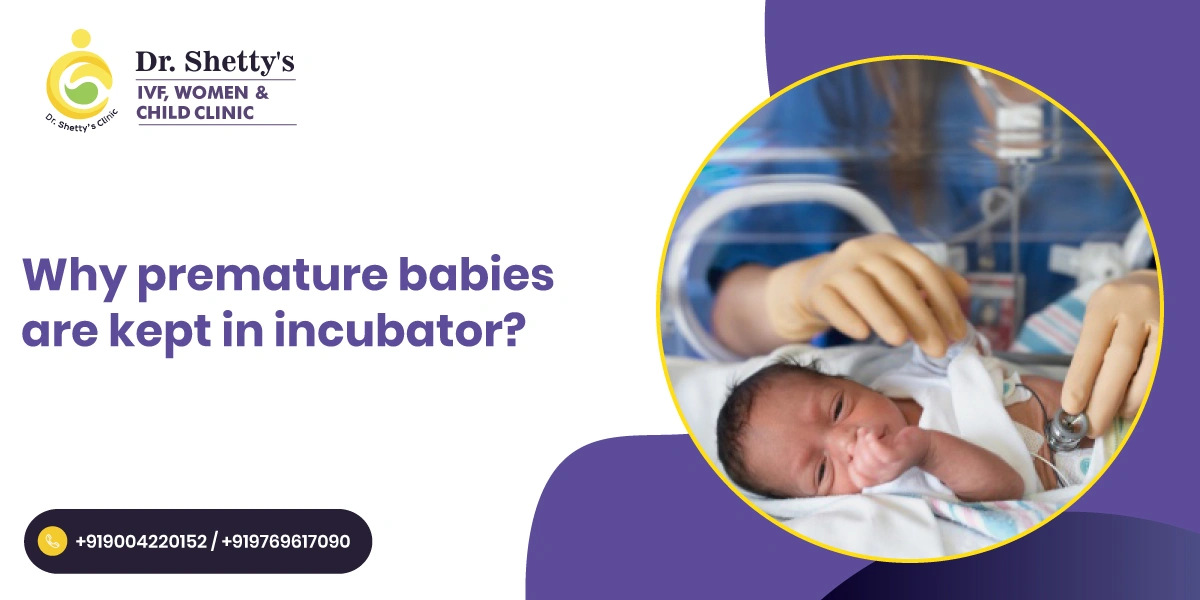
Why are Premature Babies kept in Incubators?
Nothing can equal the feeling of holding your newborn in your arms for the first time. The first cry, the first skin-to-skin contact, the first feed, every experience feels magical. However, not every mother gets her baby right after birth.…
When Does Colic Peak?
While parenthood brings many beautiful first-time experiences, colic is not one of them. The long-crying spells without obvious reasons make things difficult for even the calmest parents. The good news is it’s temporary. To help make things easier for you,…