
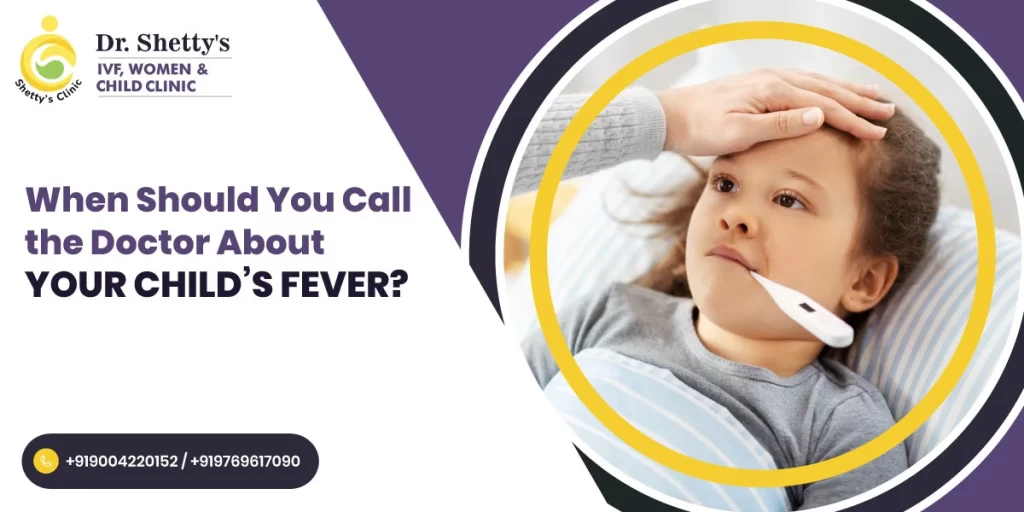
A sudden spike in your child’s temperature might seem alarming at first. However, panicking is the last thing that’s going to help. If your child’s forehead feels warmer than usual or if they feel fatigued and have joint pain, they could have a fever. It’s not an illness but a sign that your body is fighting off an infection. Sometimes, fever in babies occurs because of teething. The question is, when should you head to the pediatric clinic in Mumbai? In this post, we’ll help you figure out what temperature is too high for your little ones and which symptoms you must watch out for.
What Counts as a Fever?
A temperature between 97 and 100 degrees Fahrenheit is considered normal in babies. If the temperature rises beyond 100 degrees, it’s a fever. That said, a slightly raised temperature doesn’t always require panicking. Their temperature may vary throughout the day.
Symptoms of a Fever
A fever is mostly a sign that your baby has flu, an ear infection, a urinary tract infection, or a stomach bug. A slightly raised temperature doesn’t always mean your baby has a fever. Here are the symptoms that indicate a fever.
- High-pitched crying
- Chills Headaches and body aches Earache
- Sweating
- Fatigue
- Irritability
- Loss of appetite
- Reduced urinary output
When to See a Doctor for a Fever
If your baby is less than 3 months old, call a doctor immediately if they have a fever. For babies above this age, you don’t have to rush to a pediatrician’s office.
Ideally, for a fever to be considered dangerous, it must reach above 107 degrees Fahrenheit. That’s the temperature that can damage the tissues. Other than that, it’s advisable to see the best pediatrician in Mulund West, if your baby develops these signs:
- A fever that doesn’t go down in 4-5 days
- A temperature above 100.4 degrees Fahrenheit in babies below 2 months
- A temperature above 105 degrees Fahrenheit in kids of any age group
- Fever with red rash
- Extreme pain in the abdomen
- Difficulty breathing
- Dehydration (decreased urine output with dark urine)
- Seizures
When It’s Safe to Monitor at Home
Watchful waiting is generally okay as long as your baby has a fever with no other symptoms and their temperature comes down to the normal level in 24 hours (for infants) and 3 days (for babies above 3 years).
If they are active, feeding well, and playing for brief periods, you can wait and see if the fever goes down. If you notice the above symptoms or a fever that persists longer than usual, it’s a good idea to see a pediatrician just to rule out the possibility of a concerning underlying condition.
Conclusion
Fevers are common in babies above 3 months old and are usually nothing to be worried about. It’s the body’s response to a bacterial or viral infection. Knowing the warning signs will help you feel more confident about when the fever is normal and when it needs to be checked by a pediatrician.